

Japandi combines the Japanese aesthetic of simplicity and imperfection with Scandinavian coziness and functionality. The result is a timeless interior design style that makes use of natural materials, muted colors, thoughtful layouts, and a deliberate selection of furnishings. “It creates interiors that are not only visually harmonious but, above all, promote calm, naturalness, and everyday comfort,” says Šárka Konášová, an architect at the Tempus Design studio.
When the East Meets the North
Japandi emerged from the fusion of Japanese and Scandinavian approaches to home design. Although geographically distant, both cultures share similar values—respect for nature, simplicity, high-quality craftsmanship, and an emphasis on functionality.
Japanese aesthetics bring simplicity, naturalness, and the philosophy of wabi-sabi—which finds beauty in imperfection and transience—to interior design. The Scandinavian approach complements this with hygge, a sense of coziness, security, and joy in everyday moments, and the principles of lagom, which emphasize balance and moderation.
The result is a style that is neither coldly minimalist nor overly decorative. It is natural, timeless, and people-centered.
Simplicity that brings inner peace
The environment in which we live affects our mood, concentration, and mental well-being. Too many objects, visual clutter, or a poorly thought-out layout can contribute to a feeling of being overwhelmed.
That is why Japandi emphasizes clean lines, natural proportions, and a thoughtful selection of furnishings. Every piece of furniture should serve a purpose—whether functional, aesthetic, or emotional.
However, this is not a matter of empty, impersonal minimalism. Personal items, art, ceramics, and books play an important role here, lending character to the space. Well-thought-out storage solutions are of crucial importance. Closed cabinets help minimize visual clutter, while open shelves allow for the display of a few carefully selected items.
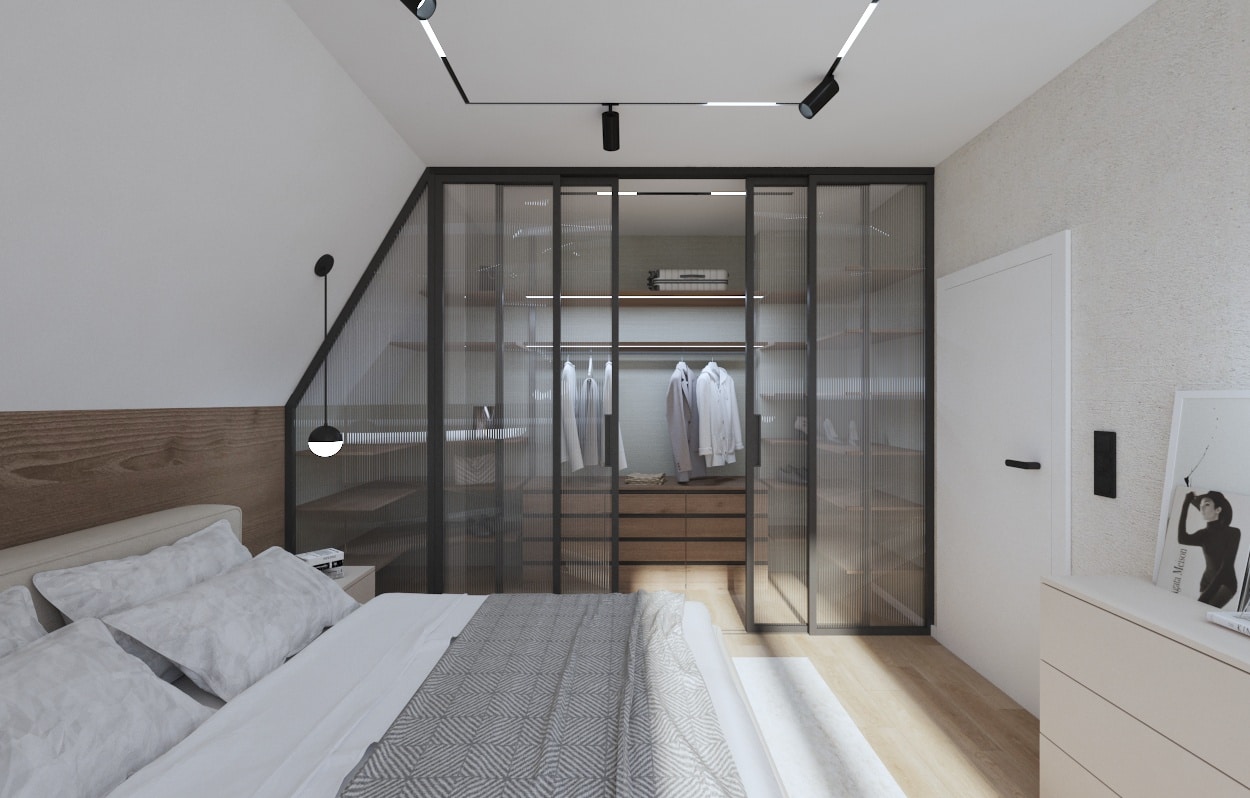
Natural Materials and Connection to the Surroundings
One of the fundamental pillars of Japandi is respect for nature. In architecture and interior design, this is reflected in the use of authentic materials such as wood, stone, linen, cotton, ceramics, and natural plaster.
A typical feature is the combination of lighter Scandinavian woods with darker Japanese accents. The color palette is inspired by nature—beige, sand, cream, and gray tones predominate, complemented by muted green, brown, or black.
Natural light also plays an important role. Japandi emphasizes making the most of it, creating subtle transitions in light, and achieving harmony between light and shadow. In the evening, it’s a good idea to use layered lighting, which allows you to tailor the atmosphere of the space to your current activity and mood.
Architecture That Respects People
Japandi isn't just about choosing furniture or colors. Its principles begin with the very design of the architecture and floor plan. What matters is the logical organization of space, the natural flow between rooms, and respect for the residents' everyday needs.
Open floor plans can foster social interaction and a sense of airiness, but they should also provide opportunities for privacy and relaxation. Individual functional zones can be separated using furniture, sliding panels, different materials, or lighting, without unnecessarily closing off the space.
We can find inspiration in traditional Japanese architecture, which emphasizes flexibility, transitions between interior and exterior spaces, and the deliberate use of empty space.
The Bedroom as a Place of Rejuvenation
The principles of Japandi are particularly evident in the bedroom. Its main purpose should be to provide quality rest and relaxation.
A low bed, natural fabrics, muted colors, soft lighting, and a minimum of distractions create an environment that promotes calm. It is also important to position the bed appropriately, ensure the room can be darkened, provide acoustic comfort, and ensure an adequate supply of fresh air.
Timelessness as a True Value
Japandi encourages us to think long-term when furnishing our homes. Instead of rapidly changing trends, it prioritizes high-quality materials, timeless designs, and craftsmanship.
Sustainability is also important. Investing in high-quality furniture, ensuring that individual components can be repaired, and practicing mindful consumption all help create homes that can age naturally alongside us.
Sometimes, however, a major renovation isn’t necessary. All it takes is removing unnecessary items, harmonizing materials, adjusting the lighting, or creating a quiet zone for relaxation. Because the true beauty of a space lies not in how much it contains, but in the feeling it leaves us with.
The Modern Philosophy of Interior Design · Tempus Design
From the same series: Biophilic Design · Hygge · Japandi · Lagom · Zen · Shinrin-Yoku · Wabi-Sabi
Tempus Design Studio
Are you looking for an interior that will help you relax?
Discuss your ideas with the architects at Tempus Design during a no-obligation consultation.
Frequently Asked Questions
What is the Japandi style?
Japandi is an interior design style that combines the Japanese aesthetic of simplicity, naturalness, and the Wabi-Sabi philosophy with Scandinavian functionality and coziness. It features natural materials, muted colors, clean lines, and a well-thought-out spatial layout.
What are the typical features of a Japandi interior?
A typical Japandi interior makes use of natural materials, particularly wood, stone, ceramics, and linen. It is characterized by simple shapes, a subdued color palette, high-quality craftsmanship, a minimum of unnecessary decorations, and an emphasis on functionality.
What colors are used in the Japandi style?
The palette is based on natural and muted shades—beige, cream, sand, gray, and brown. These can be complemented by muted green tones and contrasting black or dark brown accents.
What materials are used in a Japandi interior?
The most commonly used materials are wood, stone, ceramics, natural plaster, linen, and cotton. The authenticity of the materials, their texture, and their natural appearance are important. Surfaces do not have to be perfectly smooth—in fact, minor irregularities can be part of their beauty.
What is the difference between the Japandi and Scandinavian styles?
The Scandinavian style emphasizes functionality, light, and coziness. Japandi combines these principles with Japanese aesthetics, which are more understated and focus on empty space, simple proportions, and the beauty of natural imperfections.
Can the Japandi style be used in a small apartment?
Yes. The Japandi style works very well for small apartments because it features simple furnishings, well-thought-out storage solutions, and a minimal number of unnecessary items. It’s important to maintain functionality, ensure plenty of light, and avoid overcrowding the space.
Is the Japandi style timeless?
Japandi prioritizes high-quality materials, simple forms, and craftsmanship over short-lived trends. However, its timelessness depends primarily on the quality of the design and on whether the space meets the needs of the people who live there.