

A garden doesn’t have to lose its charm the moment the last summer flowers fade. A well-designed year-round garden offers a different experience in every season—vibrant colors and the first blooms in spring, lush greenery in summer, interesting colors in fall, and striking silhouettes of trees, grasses, and other plants in winter.
A Garden That Changes Throughout the Year
“When designing a garden, it’s worth thinking about what it will look like throughout the year, not just during the time when we visit it most often. Some plants stand out for their flowers, others for their shape, leaves, fruit, or texture, which remains interesting even in winter,” explains landscape architect Eliška Paták from the Tempus Design studio.
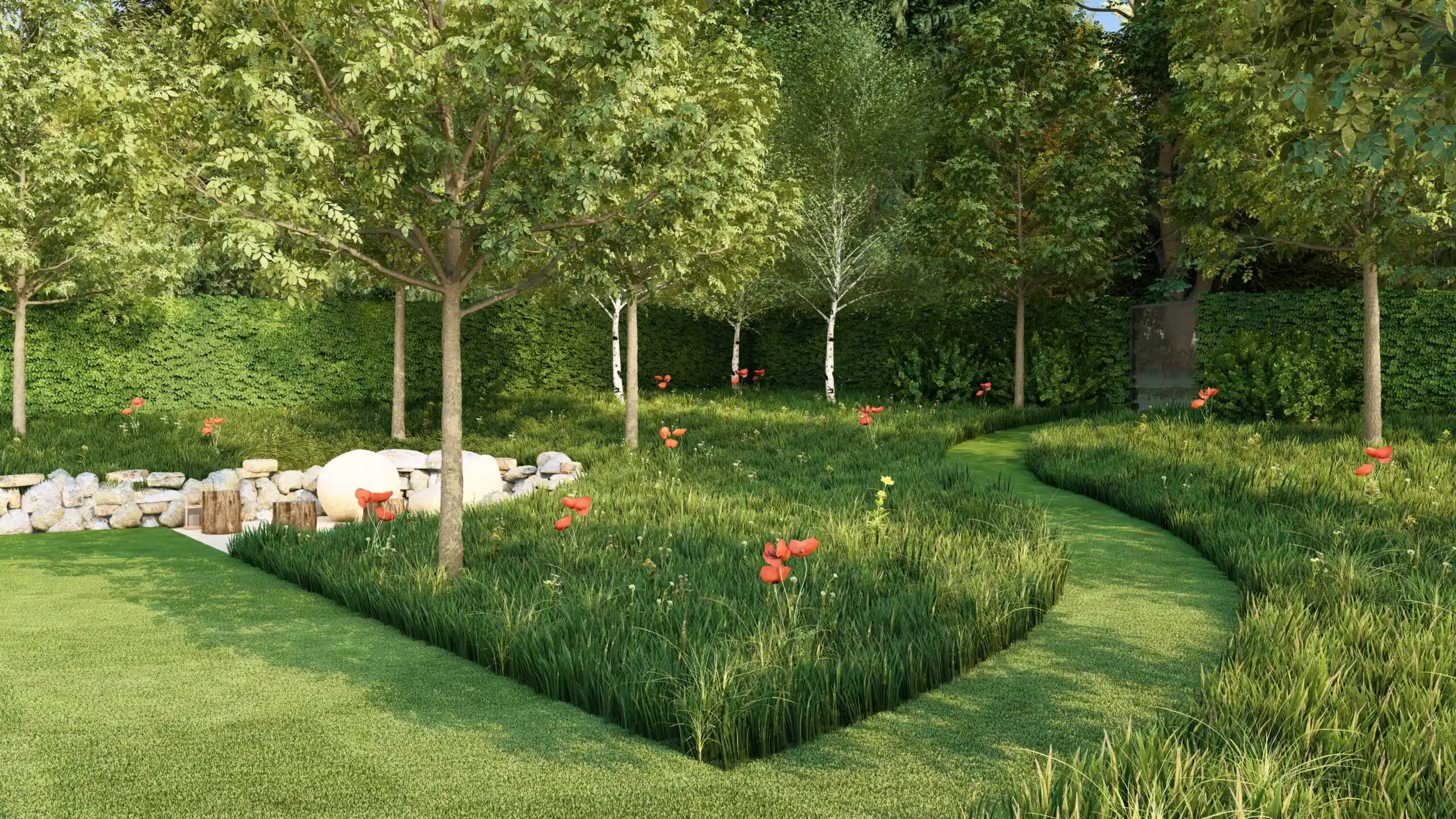
Each season brings different possibilities. In spring, bulbs, early-blooming shrubs, and fresh new shoots take center stage. Summer is all about lush perennial beds, flowers, and abundant greenery. Fall offers colorful foliage, fruits, and ornamental grasses that take on a more pronounced texture. In winter, the focus shifts from flowers to forms—distinctive branches of shrubs and trees, evergreen plants, the texture of grasses, stone elements, or interestingly laid-out paths can give the garden character even without leaves or flowers.
It is often during the winter months that we can see whether a garden is well-designed. When the leaves fall, the lines, proportions, and placement of individual elements come to the forefront. A garden should therefore serve not only as a colorful backdrop but also as a thoughtfully designed space.
How to Choose Plants for Year-Round Beauty
The key is to combine plants that are attractive at different times of the year. These don’t have to be just species that bloom at different times. Equally important are plants with decorative foliage, fall color, interesting fruits, or a striking winter silhouette.
- Bulbs and early-blooming shrubs and trees can create a spring-like effect. The choice of plants and their placement should be adapted to the light conditions and the character of the garden.
- Perennials, flowering shrubs, and other plants create a summery atmosphere by adding color, fragrance, and a variety of textures. It’s important to choose species that are suited to the site, not just those that happen to catch your eye at the garden center.
- The fall effect can be created by plants with vividly colored leaves, those bearing fruit, and ornamental grasses.
- The winter effect is enhanced by evergreen trees, interesting branching patterns, the texture of dried flower clusters and grasses, and compositions of stones and other solid elements.
There is no universal list of plants
The choice must take into account the soil type, amount of sunlight, availability of water, local climate conditions, and how much care the owner is willing to devote to the garden.
Evergreen plants aren't the only solution
Evergreen shrubs and other woody plants can add structure and color to a garden even in winter. However, if we use too many of them, the garden may appear monotonous. It is important to strike a balance between evergreen and deciduous plants, and between striking solitary specimens and group plantings.
Ornamental grasses and perennials work in a similar way; their spent blooms remain decorative even during the colder months. It isn’t always necessary to completely clear out flower beds in the fall. Some dry plant parts can add interesting texture while also providing shelter for small animals. However, decisions about what to leave and what to remove should be based on the specific species and the health of the plants.
A beautiful garden doesn't have to mean more work
A year-round garden doesn’t automatically mean high-maintenance. On the contrary, if plants are chosen wisely during the design phase and placed in suitable conditions, the garden can be more sustainable in the long run and easier to care for. With the right combination, plants can even support one another while creating a striking display all year round.
It is important not to rely solely on plants that require regular pruning, heavy watering, or frequent replacement. A well-planned planting scheme respects the natural conditions of the site and takes into account how the plants will look in a few years, once they have grown to full size.
“A garden should reflect not only the owner’s aesthetic preferences, but also their financial means and lifestyle. That’s why, when designing a garden, we also consider maintenance, plant growth, and how the space will function in the future,” adds Eliška Paták.
Don't forget the paths, lighting, and other permanent features
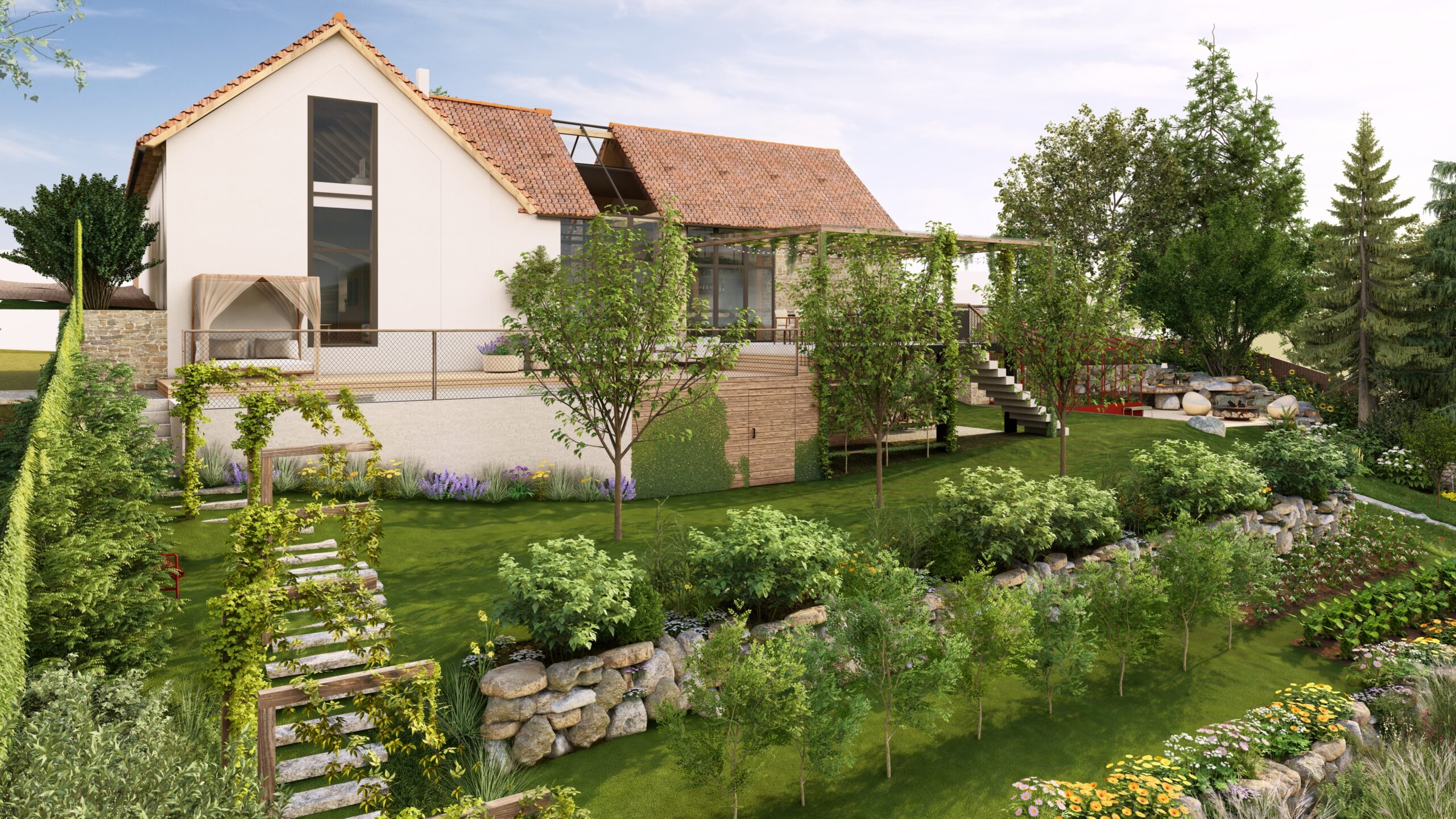
A year-round garden isn’t made up of plants alone. Paths, stairs, low walls, seating areas, pergolas, and lighting also play an important role. These elements remain part of the garden’s design throughout the year and help the garden maintain its structure even during the dormant season.
It’s especially important to consider the views from inside the house. The garden should be pleasant not only when you’re outside, but also when viewed from the windows—for example, from the living room or kitchen. An interesting tree, a cluster of grasses, or a thoughtfully placed focal point can bring joy even during the winter months.
A water feature can add beauty to your garden even in winter
Water brings movement, sound, and a sense of calm to the garden. A water feature doesn’t have to lose its charm even in winter, when its surroundings change and the shape of the container, the stone walls, or the composition with the surrounding plants comes to the fore. If the feature is designed to look good even without running water, it can remain an interesting focal point of the garden all year round.
However, it is important to consider winterization as early as the design phase. For fountains and other technical features, it is usually necessary to turn off the pump and secure it according to the manufacturer’s instructions, drain the water from sensitive parts, and protect the installation from freezing. The specific procedure depends on the design and the materials used.
A year-round garden starts with a good design
When planning, it is best to proceed from the big picture to the details. First, understand the property, its light and soil conditions, its relationship to the house, and how the owners want to use the garden. Only then should you select specific plants and arrange them into a composition.
The result doesn't have to be a garden that's equally colorful every month. It can change naturally and offer a different atmosphere at different times of the year. That's precisely where its charm lies.
Gardens · Tempus Design
Related: Garden Furniture and Trends That Stand the Test of Time · Outdoor Kitchens in the Garden. Projects in the Gardens section.
Tempus Design Studio
Would you like a garden that you can enjoy all year round?
Tempus Design will help you design a space that suits your lot, style, and maintenance needs.
Frequently Asked Questions
How can you create a garden that's beautiful all year round?
The key is to combine plants with different seasons of appeal. In addition to flowering species, also include plants with decorative foliage, fall colors, fruit, or interesting winter textures. Paths, walls, and other structural elements also play an important role.
What plants are suitable for a year-round garden?
It depends on the soil, light, moisture, and local climate. Generally, combinations of perennials and bulbs, ornamental grasses, shrubs, trees, and evergreens are used. The specific selection should always be based on the conditions of the particular plot of land.
Does a year-round garden have to be high-maintenance?
Not necessarily. Choosing the right plants and placing them correctly can reduce the amount of care they require. It’s important to combine plants properly—then they can protect each other from the wind and soil drying out, and species with strong stems can provide support for more delicate plants.
Why is garden structure important in winter?
Once the leaves have fallen, the shapes of trees and shrubs, the lines of paths, low walls, and other permanent features become more visible. A well-designed structure and composition help the garden remain interesting even when most plants are not in bloom.